
How Hybrid Work is Transforming Office Space

The traditional office is undergoing a dramatic transformation, and Florida’s commercial real estate market is feeling the impact. With hybrid work becoming the new normal, businesses are rethinking their office needs, and landlords are being forced to adapt. Whether you’re an investor, property owner, or business tenant, understanding these shifts is crucial to making smart […]
Activity-Based Workspaces: Designing Offices Around Work Modes, Not Departments
, office environments have progressed through several distinct phases over the decades. The journey began with traditional cellular offices—private spaces assigned based on seniority and status. This evolved into the open-plan revolution of the 1990s and early 2000s, which removed walls but often created noisy, distraction-filled environments. Next came the era of "hot desking" and non-territorial offices, where employees lost dedicated workstations but gained little in return. Activity-based working represents the next evolutionary leap—a more sophisticated approach that acknowledges the complexity of modern work. Rather than forcing employees to adapt to rigid environments, ABW creates environments tailored to different work modes. This approach recognizes that the same employee might need deep focus in the morning, collaborative sessions mid-day, and casual networking opportunities in the afternoon. ## Core Elements of Successful Activity-Based Workspaces What exactly does an activity-based workspace look like in practice? While each implementation is unique to the organization it serves, successful ABW environments typically feature these essential zones: 1. Focus areas designed for concentration and deep work, incorporating acoustic treatments, visual privacy, and minimal disruptions. These spaces might include quiet pods, library-style settings, or focus booths that signal "do not disturb" to colleagues. 2. Collaboration settings engineered for interaction, featuring flexible furniture configurations, technology for content sharing, and sufficient space for movement. These areas might range from formal meeting rooms to casual lounges with comfortable seating and writable surfaces. 3. Connection spaces that facilitate relationship building and spontaneous exchanges—the "water cooler" interactions that often spark innovation. These include coffee bars, comfortable lounges, and transition zones designed to encourage lingering and conversation. Each zone in an activity-based workspace is intentionally designed with specific work modes in mind. Focus areas might feature sound-absorbing materials, adjustable lighting, and ergonomic seating optimized for longer duration use. Collaboration zones prioritize flexibility, with movable furniture and multiple display options. Connection spaces emphasize comfort and approachability, often incorporating elements more commonly associated with hospitality environments than traditional offices. ## The Science Behind the Strategy The activity-based workspace approach isn't merely an aesthetic preference—it's grounded in solid research about human performance and well-being. According to the [Harvard Business Review's workplace studies](https://hbr.org/topic/workspace-design), employees who can choose settings appropriate to their tasks report up to 32% higher job satisfaction and 28% higher performance than those constrained to traditional fixed workstations. This performance improvement stems from multiple factors. First, different cognitive tasks benefit from different environmental conditions. Creative thinking flourishes in spaces with moderate background noise and visual stimulation, while analytical tasks often require quiet and minimal distraction. By offering environments optimized for each, organizations can support peak performance across various work modes. Second, the element of choice itself provides psychological benefits. The sense of autonomy that comes from selecting an appropriate work setting correlates strongly with engagement and satisfaction. When employees can exercise judgment about how and where they work, they tend to feel more valued and take greater ownership of outcomes. Finally, movement between different zones throughout the day offers significant physical health benefits. [The Mayo Clinic's research on sedentary behavior](https://www.mayoclinic.org/healthy-lifestyle/adult-health/expert-answers/sitting/faq-20058005) indicates that even brief periods of movement can offset some negative effects of prolonged sitting, potentially improving both physical health and cognitive function. ## Implementation Challenges and Success Factors Transitioning to activity-based working isn't as simple as purchasing varied furniture and removing assigned seating. Organizations that have successfully implemented ABW point to several critical success factors that commercial real estate professionals should understand when advising clients. Technology infrastructure forms the foundation of effective ABW environments. Employees must be able to work seamlessly from any location within the office, which requires robust wireless connectivity, cloud-based tools, and appropriate technology support in each zone. Without this digital backbone, the physical environment changes will fail to deliver intended benefits. Cultural readiness represents another crucial variable. Organizations with highly hierarchical cultures or strong departmental silos may struggle with the fluid boundaries inherent in activity-based working. Successful implementation often requires deliberate culture change initiatives running parallel to physical space transformations. Space utilization analysis provides the empirical foundation for ABW planning. Before designing activity-based environments, organizations should carefully study how their current spaces are actually used—not just how they're allocated on paper. This analysis often reveals surprising patterns and helps organizations right-size different zone types to match actual needs. Most importantly, leadership behavior sets the tone for ABW adoption. When executives visibly use different settings for different activities—taking important calls in focus booths rather than private offices, joining teams in collaboration zones rather than summoning them to executive suites—they demonstrate the intended use patterns and accelerate organization-wide acceptance. ## The Future Evolution: Activity-Based Working Meets Hybrid Work As we navigate the post-pandemic commercial landscape, activity-based workspaces are evolving to accommodate hybrid work patterns. The office is increasingly becoming a destination for specific purposes—collaboration, connection, culture-building—rather than the default location for all work. This shift amplifies rather than diminishes the importance of activity-based design principles. If employees primarily work remotely for focused individual tasks, the office must excel at supporting the collaborative and social activities that bring people together. This often means increasing the proportion of space dedicated to collaboration and connection zones while enhancing the quality of these environments. Forward-thinking organizations are now creating "collaboration hubs" rather than traditional offices—spaces specifically designed to facilitate the types of interaction that prove difficult in virtual environments. These next-generation ABW implementations emphasize sensory experiences that can't be replicated remotely: specialized acoustic environments, tactile materials, and spatial configurations that promote specific types of group dynamics. ## Commercial Real Estate Implications For commercial real estate professionals, understanding activity-based working concepts provides valuable perspective when advising clients on space needs and configurations. As organizations embrace more fluid work patterns, their space requirements change in both quantity and quality. Many organizations implementing ABW principles find they can reduce their overall square footage by 15-30% while simultaneously increasing functionality and employee satisfaction. This efficiency comes not from cramming people into smaller footprints, but from designing spaces that more precisely match actual usage patterns, eliminating wasted space while enhancing productivity. Building owners and developers who understand ABW principles can create more competitive properties by designing base buildings that readily accommodate activity-based configurations. Features like flexible floor plates, robust infrastructure capacity, and adaptable mechanical systems provide the foundation for effective ABW implementations. ## Conclusion: Beyond Trends to Fundamentals Unlike some workplace trends that flare briefly then fade, activity-based working represents a fundamental rethinking of the relationship between space and work. By aligning environments with activities rather than individuals or departments, organizations create spaces that genuinely support productivity, well-being, and organizational culture. For commercial real estate professionals, activity-based workspace concepts offer valuable tools for helping clients navigate changing workplace needs. By understanding both the principles behind ABW and the practical implementation factors, you can provide guidance that goes beyond square footage calculations to address the strategic role of space in organizational performance. Activity-Based Workspaces: Designing Offices Around Work Modes, Not Departments](https://www.c21edge.com/app/uploads/2024/06/Activity-Based-Workspaces-Designing-Offices-Around-Work-Modes-Not-Departments-C21Edge.com-Page-Blog-1600x900-1-1024x576.png)
The traditional office landscape—defined by departments segregated into specific zones with nearly identical workstations—is rapidly becoming as outdated as the fax machine. In its place, a more dynamic approach has emerged: the activity-based workspace (ABW). This revolutionary concept reimagines commercial office environments by focusing on the different types of work people actually perform throughout their […]
From Class B to Class A: Office Retrofitting Strategies for Competitive Advantage

In today’s competitive commercial real estate landscape, the gap between Class B and Class A office properties can mean millions in valuation and substantial differences in tenant quality. But what if you could bridge that gap without ground-up development? Strategic retrofitting is emerging as a powerful approach for property owners looking to maximize returns on existing assets. […]
The Satellite Office Network: Replacing Headquarters with Hub-and-Spoke Models

Remember when the business world revolved around impressive downtown headquarters? Those massive, gleaming towers where thousands of employees would converge each morning are increasingly becoming relics of the past. Forward-thinking companies are now embracing a new approach: the hub-and-spoke office model, and it’s reshaping commercial real estate markets across the country. The Evolution of Corporate […]
Office Space Subscription Models: Pay-Per-Use Strategies Gaining Traction

The traditional 10-year office lease is quickly becoming a relic of the past. As businesses emerge from pandemic disruptions with new workplace strategies, a more flexible approach to commercial real estate is gaining momentum: office space subscription models. These innovative arrangements are changing how companies access workspace while creating new opportunities for property owners willing […]
Digital Twin Technology: Managing Office Buildings with Virtual Replicas

In the not-so-distant past, managing a commercial building meant shuffling through stacks of blueprints, maintenance logs, and tenant complaints. Fast forward to today, and the commercial real estate industry is experiencing a digital renaissance with “digital twin” technology leading the charge. But what exactly is a digital twin, and why should commercial property owners, managers, and investors […]
Workplace Analytics: Using AI to Measure and Optimize Office Collaboration

In the post-pandemic commercial real estate landscape, one question dominates conversations between tenants and property owners alike: “What makes an office worth coming to?” As remote work capabilities have evolved, the office has transformed from a necessary daily destination to a strategic tool for collaboration, culture-building, and innovation. Enter workplace analytics—the AI-powered approach revolutionizing how […]
Flight to Quality: Why Class A Office Buildings are Outperforming in 2025
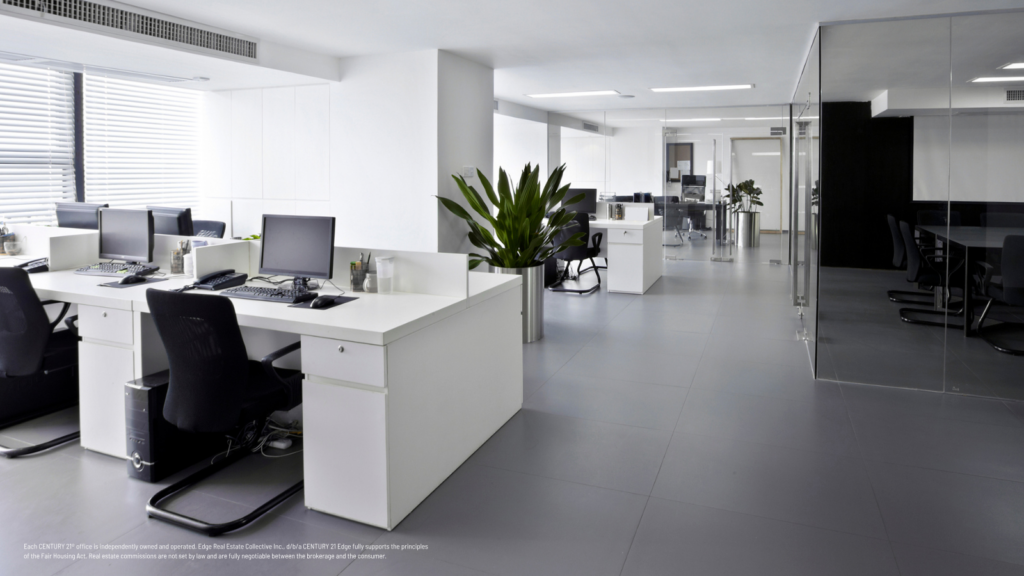
The office market narrative has dramatically evolved since the pandemic’s onset. From obituaries for office space to the complexity of hybrid work models, predictions about the sector’s future have varied wildly. Yet amidst this uncertainty, one trend has emerged with remarkable clarity: the flight to quality. While overall office vacancy rates remain elevated in many […]
The Four-Day Workweek Effect: How Compressed Schedules are Reshaping Office Usage

The traditional five-day workweek has been the cornerstone of American business for generations. However, a significant shift is underway as companies increasingly embrace four-day workweeks. This compressed schedule model isn’t just changing when employees work—it’s fundamentally reshaping how commercial spaces are utilized and what tenants need from their office environments. The Rise of the Four-Day […]
Office Energy Self-Sufficiency: Buildings that Generate Their Own Power

In the evolving landscape of commercial real estate, a revolutionary concept is gaining momentum: office buildings that generate as much energy as they consume, or in some cases, even more. This shift toward energy self-sufficiency represents not merely an environmental ideal but increasingly a sound business strategy for forward-thinking property owners and developers. As energy […]
